


Discover the Craftsmanship of Giclée Print Techniques
- Five Minute Artist
- Mar 17
- 4 min read
When I first encountered giclée prints, I was captivated by their stunning detail and vibrant colours. These prints offer a unique way to appreciate art, especially for those who cherish wildlife and nautical themes. The craftsmanship behind giclée print techniques is truly remarkable, combining traditional artistry with modern technology to produce prints that are both beautiful and durable.
Understanding Giclée Print Techniques
Giclée print techniques involve a high-quality inkjet printing process that uses archival inks and fine art papers or canvases. This method allows artists and printmakers to reproduce artwork with incredible precision and colour accuracy. Unlike standard prints, giclée prints capture the subtle nuances of brush strokes, textures, and gradients, making them almost indistinguishable from the original piece.
The process begins with a high-resolution digital scan or photograph of the original artwork. This digital file is then printed using specialised printers that spray microscopic droplets of ink onto the chosen surface. The inks used are pigment-based, which means they resist fading and maintain their vibrancy for decades when properly cared for.
One of the key advantages of giclée print techniques is the ability to print on various substrates, including fine art paper, canvas, and even textured materials. This flexibility allows artists to choose the best medium to complement their work, enhancing the overall aesthetic and tactile experience.

The Art and Science Behind Giclée Prints
The craftsmanship of giclée prints lies in the meticulous attention to detail throughout the entire process. From colour calibration to paper selection, every step is carefully managed to ensure the final print meets the highest standards.
Colour calibration is essential because it ensures that the colours in the print match those in the original artwork as closely as possible. This involves adjusting the printer settings and using colour profiles tailored to the specific inks and papers. Without this step, prints can appear dull or inaccurate, which diminishes their value and appeal.
Paper selection is another critical factor. Archival-quality papers are acid-free and designed to last for many years without yellowing or deteriorating. Artists often choose textured papers to mimic the feel of traditional canvas or watercolor paper, adding an extra layer of authenticity to the print.
The printing process itself requires skill and precision. The printer operator must monitor the ink levels, print speed, and drying times to avoid any defects such as banding or colour shifts. Once printed, the giclée print is usually left to dry completely before being handled or framed.
Are Giclée Prints Considered Original Artwork?
This is a question I often get asked, and the answer is nuanced. Giclée prints are not original artworks in the traditional sense because they are reproductions of an existing piece. However, they are considered original in terms of quality and artistic value because of the advanced printing technology and archival materials used.
Many artists produce limited edition giclée prints, which are signed and numbered to add exclusivity and authenticity. These editions are often seen as collectible items, especially when the prints are made under the artist’s supervision or approval.
For collectors, giclée prints offer a way to own a piece of art that closely resembles the original without the high cost or fragility associated with original paintings. They also provide an opportunity to enjoy artwork that might otherwise be inaccessible due to location or price.
How to Care for Your Giclée Prints
Proper care is essential to preserve the beauty and longevity of giclée prints. Here are some practical tips I recommend:
Avoid direct sunlight - UV rays can cause fading over time, even with archival inks.
Use UV-protective glass or acrylic when framing - This adds an extra layer of protection.
Keep prints in a stable environment - Avoid extreme humidity or temperature fluctuations.
Handle with clean hands or gloves - Oils and dirt can damage the surface.
Store prints flat or rolled carefully - If not framed, use acid-free materials for storage.
By following these guidelines, your giclée prints can remain vibrant and intact for decades, making them a lasting addition to your collection or home decor.

Why Choose Giclée Prints for Wildlife and Nautical Themes?
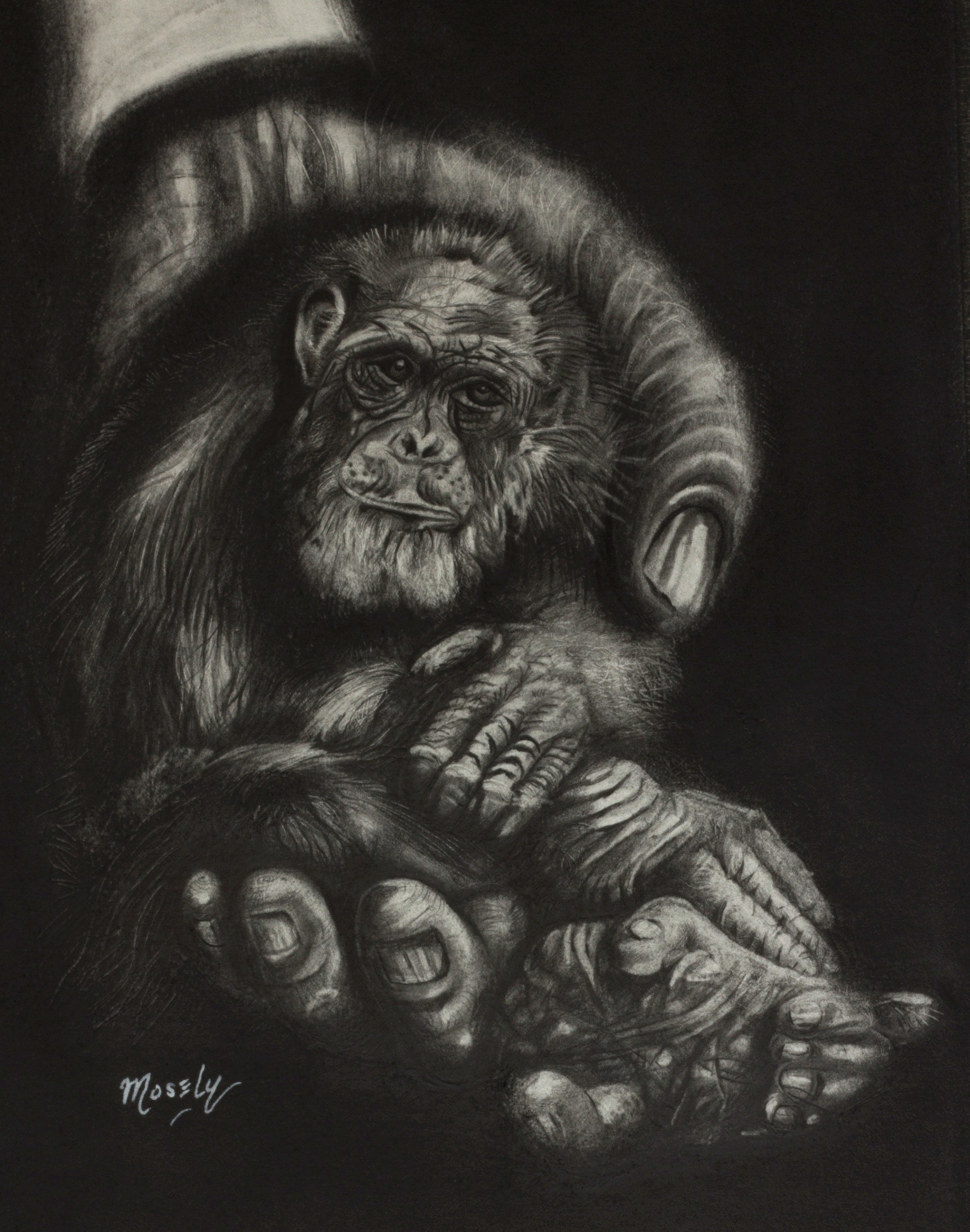
The intricate details and rich colours achievable with giclée print techniques make them ideal for wildlife and nautical art. These themes often require capturing the subtle textures of fur, feathers, water, and sky, which giclée prints reproduce with exceptional fidelity.
For example, a giclée print of a soaring eagle can reveal every feather’s detail, while a nautical scene can showcase the shimmering reflections on the water’s surface. This level of detail brings the artwork to life, creating an immersive experience for viewers.
Moreover, the durability of giclée prints means they can be displayed in various settings, from living rooms to offices, without worrying about fading or damage. This makes them a practical choice for those who want to enjoy high-quality art every day.
Final Thoughts on Giclée Print Techniques
Exploring the craftsmanship behind giclée print techniques has deepened my appreciation for this art form. The combination of cutting-edge technology and traditional artistic values results in prints that are both beautiful and enduring. Whether you are drawn to wildlife, nautical themes, or any other subject, giclée prints offer a unique way to bring art into your space.
If you ever wonder what is a giclée print, now you know it is much more than just a print - it is a celebration of art and craftsmanship that can enrich your collection for years to come.


Comments